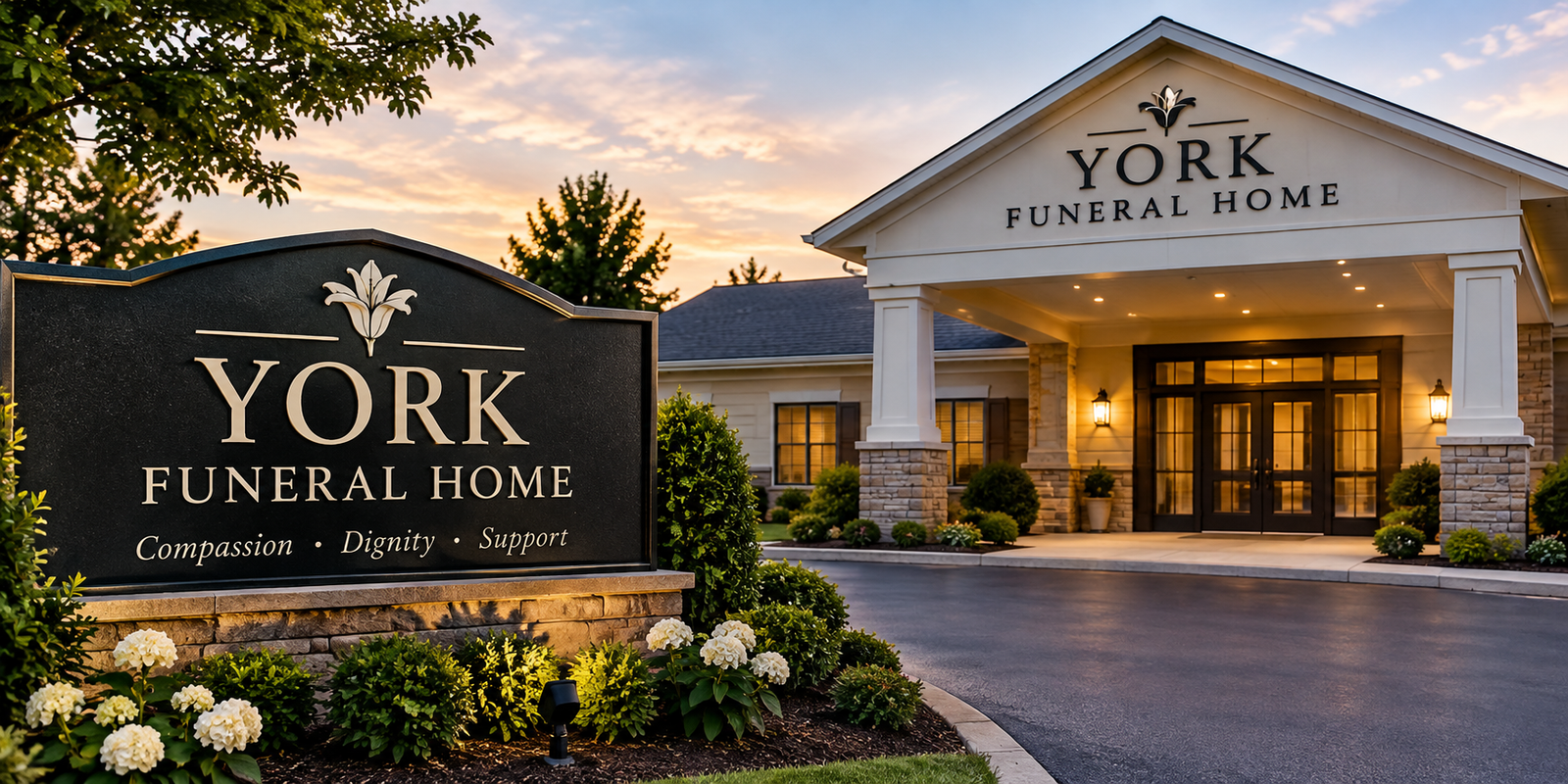
York Funeral Home: Services, Planning, and What Families Should Know
When a family loses someone close, making funeral arrangements can feel overwhelming. There are practical decisions to make while emotions are already running high. A trusted funeral home can help families handle those details with care, organization, and respect.
The search for a York funeral home may come from a family that needs immediate assistance or someone planning ahead. In either situation, understanding what a funeral home provides can make the process easier. Families can learn about available services, costs, ceremonies, paperwork, and other important arrangements before making decisions.
Funeral homes generally serve as more than locations for memorial services. They can coordinate many parts of the process, from transportation and preparation to visitation arrangements and communication with cemeteries or crematories. Knowing what to expect can help families feel more prepared during a difficult period.
What Is a York Funeral Home?
A York funeral home is a professional service provider that helps families arrange and manage funeral or memorial services. Depending on the specific funeral home, services may include traditional funerals, memorial gatherings, cremation arrangements, visitations, and assistance with documentation.
Funeral directors often become the main point of contact for a family after a death. They can explain the steps involved and help organize arrangements according to the family’s wishes. Their role can also involve coordinating with other service providers connected to the funeral.
Every family has different preferences, traditions, and financial circumstances. Some families prefer a formal service, while others want a smaller gathering with close relatives and friends. A good funeral home should provide clear options rather than making families feel pressured to choose unnecessary services.
Services Commonly Offered by Funeral Homes
Funeral homes can offer a wide range of services. One of the first responsibilities may involve transporting the deceased from a hospital, residence, hospice facility, or another location. The funeral director can explain what arrangements are needed and what happens next.
Preparation and care of the deceased may also be available. Depending on the family’s wishes and local requirements, this can include basic preparation, dressing, grooming, embalming, or other care. Families should ask which services are included in the selected arrangement and which may involve additional charges.
Funeral homes may also coordinate the ceremony itself. This can include arranging the visitation, preparing the service room, coordinating transportation, organizing flowers, and communicating with clergy or celebrants. Some funeral homes can also assist with obituary information, printed materials, and other memorial details.
Traditional Funeral Services
A traditional funeral usually includes several stages, although the exact format depends on the family’s preferences. A visitation or viewing may give relatives and friends an opportunity to gather and offer condolences before the funeral service.
The funeral service itself can take place at a funeral home, religious building, cemetery, or another suitable location. Religious traditions can influence the ceremony, while secular services may focus on memories, photographs, music, readings, and personal stories.
After the service, families may arrange burial at a cemetery or another form of final disposition. The funeral home can often coordinate timing and transportation between locations. Families should discuss the complete schedule with the funeral director so everyone understands what will happen.
Cremation Services and Memorial Options
Cremation is another option that many families consider. A cremation arrangement can be simple or accompanied by a visitation and memorial service. The choice depends on personal beliefs, family traditions, and the wishes of the deceased.
Some families choose to hold a gathering before cremation, while others organize a memorial service afterward. An urn may be present during a memorial gathering, or the family may choose another meaningful way to remember their loved one.
When considering cremation, families should ask detailed questions about the process, required documentation, timing, and available options. Understanding the arrangement in advance can prevent confusion and help relatives make decisions with greater confidence.
How to Choose the Right Funeral Home in York
Choosing a funeral home is a personal decision. Location can be important, especially when relatives need to attend a visitation or service. A convenient location may make transportation and attendance easier for family members.
Families should also consider communication and transparency. A funeral director should be willing to explain services, costs, timelines, and available alternatives in understandable language. Asking questions is completely reasonable, especially when the family is unfamiliar with funeral arrangements.
It can also help to compare several funeral homes before making a decision when circumstances allow. Families can ask for information about available packages and individual services. Comparing details can provide a clearer understanding of what each funeral home offers.
Understanding Funeral Costs
Funeral costs can vary significantly depending on the services selected. A simple arrangement may cost considerably less than a large traditional funeral with extensive visitation, transportation, preparation, cemetery expenses, and additional services.
Families should request a detailed price explanation before agreeing to arrangements. It is useful to distinguish between services provided directly by the funeral home and expenses paid to outside providers. Cemetery charges, flowers, clergy fees, obituary publication, and other expenses may be separate.
A clear conversation about the budget can also help. Families do not need to choose every available service. A funeral director can explain which arrangements are necessary and which are optional, allowing families to make decisions based on their circumstances.
Planning a Funeral in Advance
Preplanning can make future arrangements easier for both individuals and their families. Someone may decide in advance what type of service they would prefer, whether they want burial or cremation, and what personal details should be included in a ceremony.
Advance planning can also provide an opportunity to discuss financial arrangements. Depending on local laws and the funeral home’s policies, different preplanning or prepayment options may be available. Families should carefully review any agreement before signing.
Another benefit of planning ahead is that personal wishes can be communicated clearly. Music, readings, religious traditions, photographs, and other preferences can be recorded so family members have guidance later.
Personalizing a Funeral Service
Modern funeral services can be highly personal. Families may choose photographs, favorite music, meaningful readings, videos, or stories that reflect the person’s life and personality.
Personalization does not necessarily require an elaborate ceremony. A small gathering can be meaningful when it gives people an opportunity to share memories and support one another. The most important elements are often the ones that feel genuine to the family.
Some families also create memory tables, display personal belongings, or prepare photo collections. These details can help guests remember the person beyond the circumstances of their passing.
Helping Families With Important Paperwork
Funeral arrangements often involve paperwork that families may not expect. Documentation can be required for transportation, burial, cremation, cemetery arrangements, and other administrative matters.
A funeral director can explain which documents are needed and help coordinate certain parts of the process. Families may also need certified copies of official documents for financial, legal, or administrative purposes.
Because paperwork requirements can differ by location and situation, families should ask the funeral home for specific guidance. Keeping important documents organized can make the process more manageable.
Funeral Homes and Religious or Cultural Traditions
Religious and cultural traditions can play an important role in funeral planning. Families may have specific requirements involving the timing of services, preparation of the deceased, prayers, ceremonies, burial, or other practices.
A funeral home should be willing to discuss these requirements before arrangements are finalized. Families can explain their traditions and ask what accommodations are available.
If a religious leader, celebrant, or cultural representative is involved, communication between everyone can help the service run smoothly. Planning these details early can reduce unnecessary stress on the day of the ceremony.
What to Ask a York Funeral Home
Families may find it helpful to prepare questions before meeting with a funeral director. Asking questions can make it easier to understand the available choices and avoid unexpected costs.
Useful questions may include:
- What services are included in the basic arrangement?
- Which services have additional charges?
- What options are available for burial and cremation?
- Can the funeral service be personalized?
- Is transportation included?
- Can the funeral home help with required paperwork?
- Are payment plans or preplanning options available?
- Which cemetery or crematory arrangements are handled by the funeral home?
There is no need to feel uncomfortable about asking financial questions. Funeral planning involves significant decisions, and families deserve clear information before making commitments.
Why Compassion and Communication Matter
A funeral home provides practical services, but communication is equally important. Families are often dealing with grief while making decisions under time pressure. Clear explanations can make an unfamiliar process easier to understand.
Compassion does not mean families have to agree to every recommendation. A respectful funeral director should listen to the family’s wishes and explain available choices without creating unnecessary pressure.
Good communication also helps prevent misunderstandings. When families understand the schedule, costs, services, and responsibilities involved, they can focus more attention on supporting one another.
Final Thoughts on Choosing a York Funeral Home
Finding the right York funeral home involves more than choosing a convenient location. Families may want to consider services, pricing, communication, personalization options, cultural needs, and the level of support provided throughout the arrangement process.
Whether planning a traditional funeral, cremation, memorial service, or an arrangement for the future, asking clear questions is an important first step. Families should take time to understand their options and choose arrangements that reflect their needs and wishes.
The funeral process can never remove the difficulty of losing someone. However, organized planning and compassionate professional support can make many practical responsibilities easier to manage. With the right information, families can create a respectful farewell that honors the life and memories of the person they have lost.